Interior Trim After a Window Install
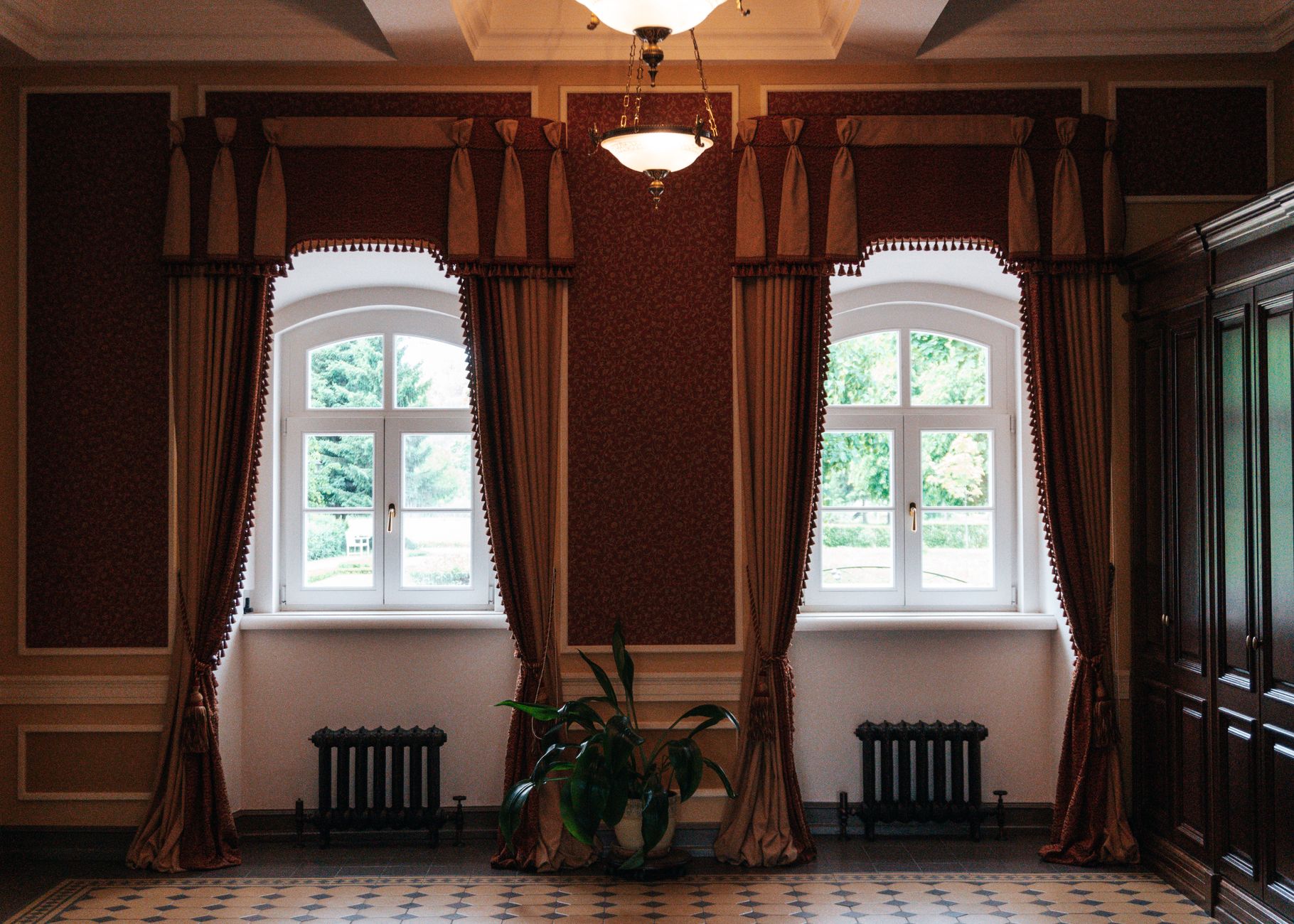
Most people leave the trim for last and treat it as a cosmetic task, though the order laid out on window installation carlsbad madame and me puts it at the end for a reason. After a window installation in Carlsbad, CA the interior finish hides the shims and foam, and a sloppy cut shows every time the light moves across the wall.
Drywall returns and jamb extensions
If the wall is thicker than the frame, a jamb extension covers the gap between the window and the drywall edge. On older plaster walls, the return may be rounded, and the trim has to follow that shape. The extension is fastened to the frame, not to the shims, so it moves with the window.
Stool and apron
The stool is the flat shelf at the bottom of the window, and it sets the line for everything else. It must sit level and project the same distance on both sides. The apron beneath it hides the joint between the stool and the wall, and both are nailed into solid framing rather than into drywall.
Casing the sides and top
Casing is cut with mitered corners or butt joints, depending on the style, and set with a consistent reveal around the frame. A reveal of about three sixteenths of an inch is common. A bay window or bow window needs each angled section cased separately, and the corner angles must be measured, not assumed.
Caulk, fill and paint
Nail holes are filled and the joints between trim and wall are caulked with a paintable product. Humid air from the coast near Buena Vista Lagoon moves the wood slightly, so an unsealed seam opens up with the seasons. Primer goes on any bare wood, especially at the end grain, since that is where moisture enters. The first coat of paint is brushed slightly onto the caulk line to seal the edge, which keeps the bead from pulling away as the trim expands and shrinks through the damp months.
Protecting the finish
A new vinyl window has a protective film that is peeled only after painting is done. Screens and hardware are installed last. Keeping dust away from the sash tracks avoids scratching the frame while the room is finished. Painters are asked to cut the paint line against the trim and not onto the vinyl, because dried paint on a frame cannot be removed without leaving a dull patch. A last look from across the room, with the light raking along the wall, shows any gap that still needs a bead of caulk.