Sill Pan Flashing Under a New Window
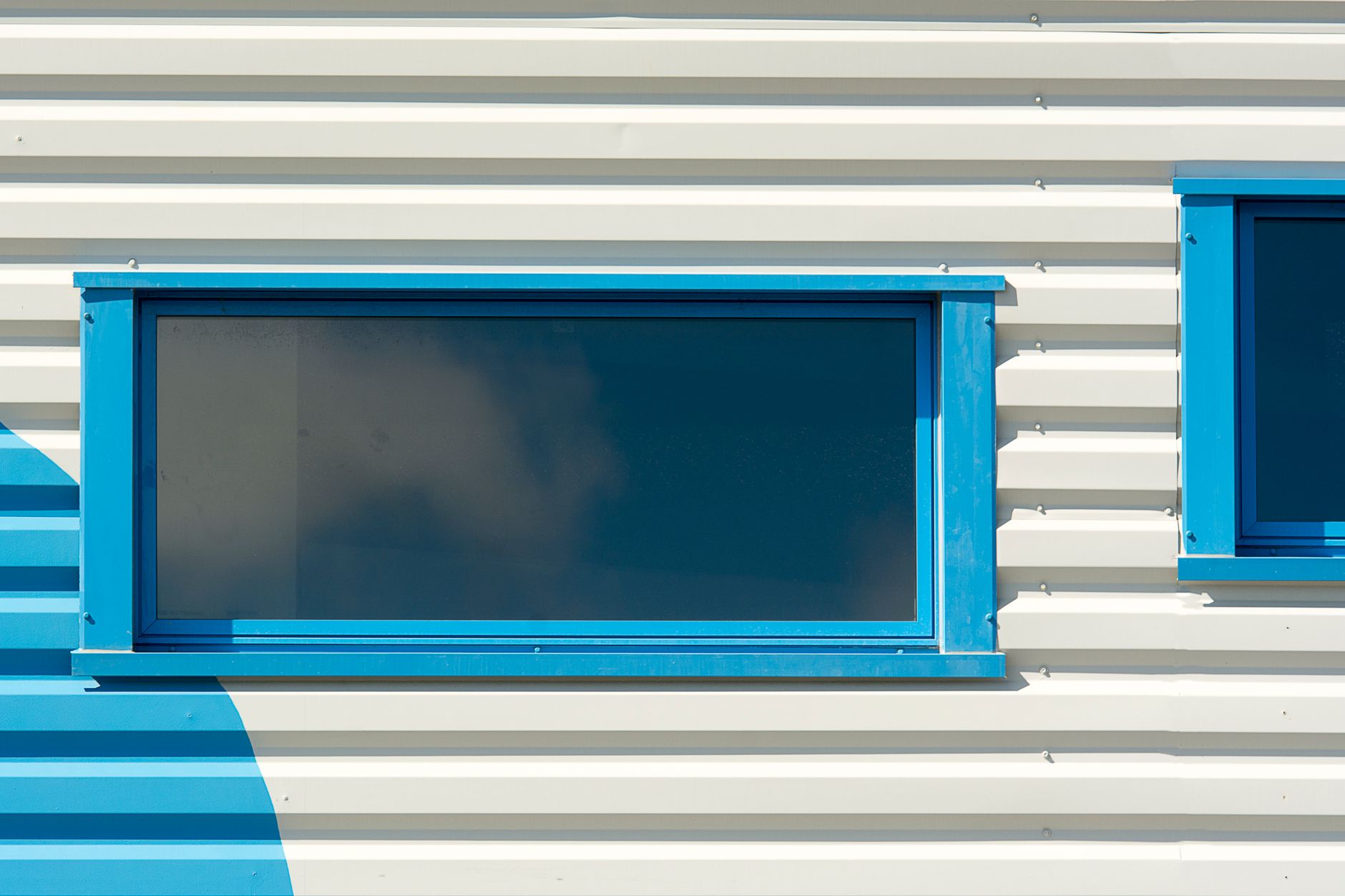
Twenty minutes of flashing work at the sill saves a wall from being opened up again, and the sill pan is the layer that does it, as the notes at window installation carlsbad madame and me describe. In Carlsbad, CA the damp air from Carlsbad State Beach settles into walls through the winter, so any water that gets past a new window has nowhere dry to go.
What a sill pan does
A sill pan is a shallow tray under the bottom of the window opening. It catches water that gets past the frame and sends it back out over the exterior surface instead of into the wall below. Without one, a leak at the corner of a vinyl window runs down the framing and rots it from the inside.
Building the pan
The pan can be a preformed plastic piece, a flexible membrane or layers of self-adhesive flashing tape. The bottom is laid first, then the sides turn up at the jambs, forming a back dam on the interior edge. Each piece overlaps the one below it like shingles, so water is always led outward.
Order of the tape layers
Sill tape goes on first, then the jamb tape overlaps it, and the head flashing goes on last, lapping over the top of the window flange. The head flashing must sit over the jambs so water running down the wall meets a shingle lap, never a seam that faces up.
Stucco and flange details
Many Carlsbad houses have stucco applied over paper and wire, and the window flange sits behind the finish coat. The weather barrier is cut and folded back, the flashing tucks beneath it, and the barrier lays back over the top. A cut that is left unsealed at the corner is the most common leak path seen on a newly installed aluminum window or a clad window.
Testing before closing up
A garden hose test from the top down, with someone watching inside, confirms the pan works before trim goes on. It takes only a few minutes and shows any weak lap while the wall is still open. The lagoon-side houses near Buena Vista Lagoon see the heaviest dew, so the check is worth doing every time. Any spot that darkens the tape or beads water at a lap is resealed and tested again before the next layer goes over it.